Roof and Solar Together: Planning Upgrades in the Right Order
Solar is only as good as the roof beneath it. Here is the sequence that protects your warranty, your budget and your installation timeline.
Outdoor Living
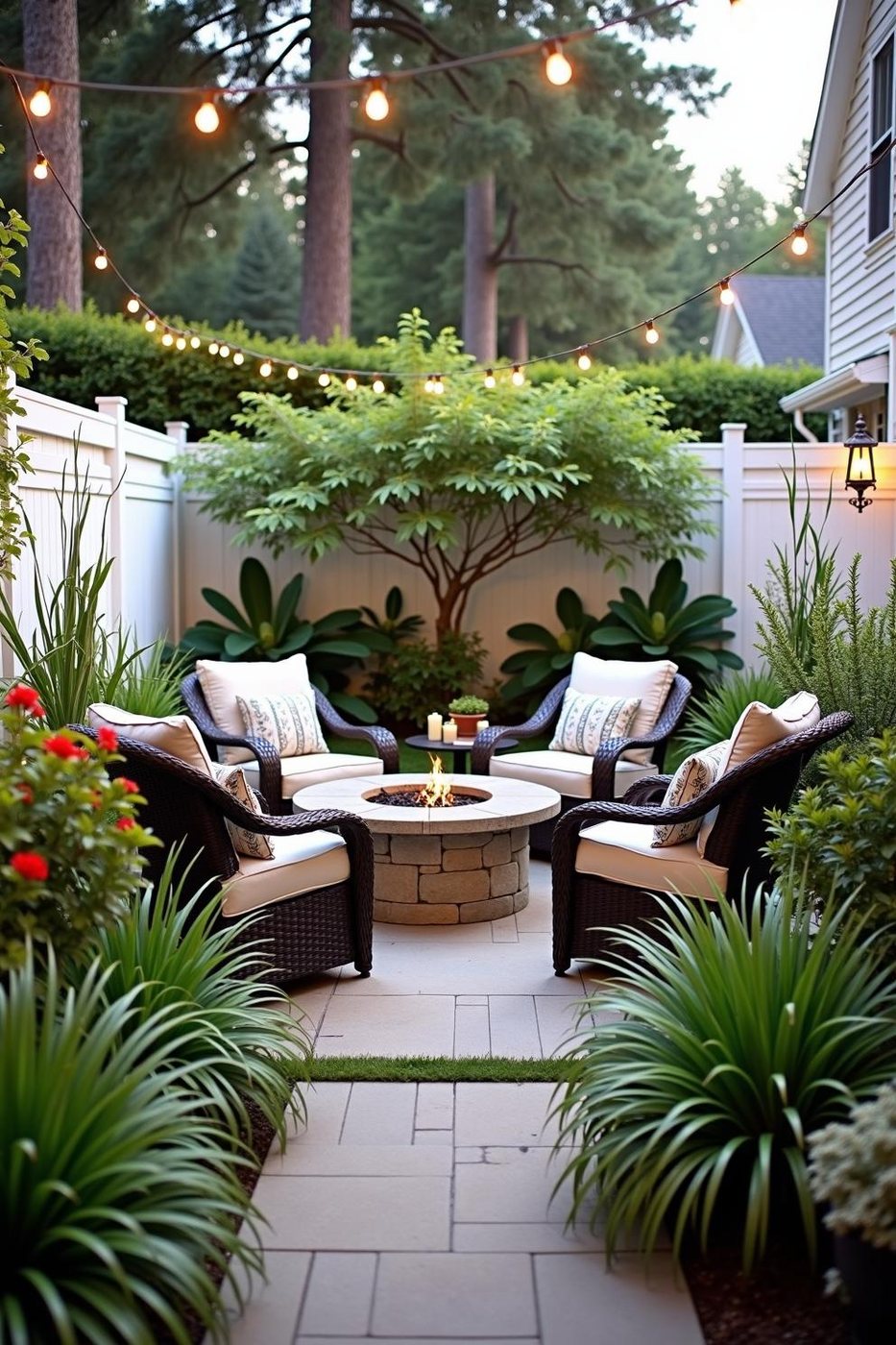
A compact yard can live far larger than its footprint. With the right zones, a deliberate focal point and a little vertical thinking, a tight patio becomes a genuine outdoor room — one you use every week rather than admire from the kitchen window.
The mistake most small gardens make is treating the whole area as one space with one purpose. Instead, divide it mentally into three zones: a conversation zone for seating, a surface zone for eating or cooking, and a green zone for planting or a water feature. Even in a narrow yard you can separate them with changes in paving pattern, a low planter or a step.
Once zones exist, furniture decisions become obvious. A compact bistro set suits the surface zone; a two-seat lounge suits conversation; the green zone stays open so the eye can travel. The result feels intentional instead of crowded.
Small spaces feel larger when there is a single, clear focal point. A fire bowl, a sculptural tree, a wall-mounted fountain or even a beautifully lit bench gives the eye somewhere to land, which paradoxically makes the space read as deeper and calmer.
Place the focal point where you see it from the house — usually on the far wall or corner — then arrange everything else to support it rather than compete with it.
When ground area is scarce, the walls become the garden. Use them deliberately.
A vertical living wall or a trellis of climbing jasmine frees floor space while adding greenery and screening. Slim wall-mounted planters handle herbs. A pergola overhead turns an empty patio into a defined room with shade and atmosphere, and it costs you nothing on the ground.
Layering heights — low planting at the front, mid-height shrubs behind, something taller at the back — adds depth that a flat bed can never deliver.
A single bright light flattens a small garden and makes it feel exposed. Layering fixes it. String lights overhead create a ceiling. Ground-level uplights grazing a wall or a tree add texture. One warm light near the seating makes the space feel intimate and usable after dusk.
Keep the colour temperature consistent, add a dimmer where possible, and always run lighting on exterior-rated fixtures and cabling installed by a qualified electrician.
Outdoor rooms work best when they continue the language of the interior. Take your paving tone from your kitchen floor, echo your indoor cushion palette on outdoor upholstery, and repeat a timber or black-metal finish from inside the house. That continuity is what makes a small garden feel like an extra room instead of a separate yard.
For durability in a Michigan climate, choose frost-resistant paving, weather-rated hardwood or composite furniture, and outdoor fabrics that resist fading.
A garden you cannot keep up with becomes a chore instead of a retreat. Fewer, larger planters are easier to water than many small ones. Drip irrigation on a timer buys back weekends. Choosing evergreen structure plants and adding seasonal colour through pots keeps the space looking alive through every season without constant replanting.
If you are phasing the work, structural and hardscape elements come first: paving, drainage, pergola footings and electrical runs. Nothing is more expensive than lifting finished paving to add a cable. Soft planting, furniture and decor can follow later as budget allows.
This is also why we recommend involving a design team early. Coordinating hardscape, planting, lighting and drainage in one plan avoids the classic small-garden mistake of buying furniture that never quite fits the space you built.
Planning this upgrade yourself? We are happy to help you think it through. Book a free consultation and a Outdoor Living Hubs advisor will review your space, priorities and budget with you — no pressure, no obligation.
Keep Reading
 Roofing & Solar
Solar is only as good as the roof beneath it. Here is the sequence that protects your warranty, your budget and your installation timeline.
 Home Safety
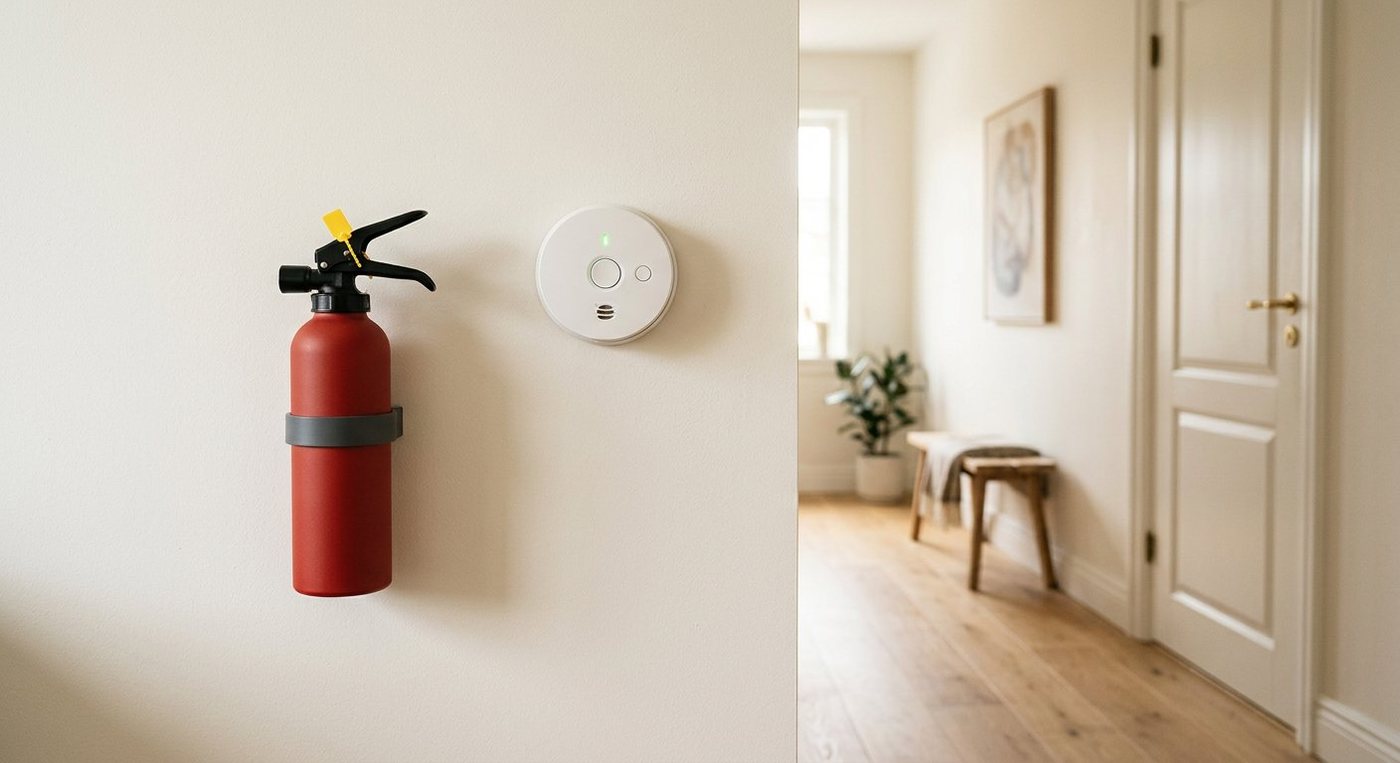
Safety upgrades work best as a single plan, not scattered purchases. Walk through your home with this room-by-room checklist.