Small Yard, Big Living: Designing an Outdoor Room That Feels Expansive
A compact yard can live far larger than its footprint. These are the planning moves we use to turn a tight patio into a genuine outdoor room.
Home Safety
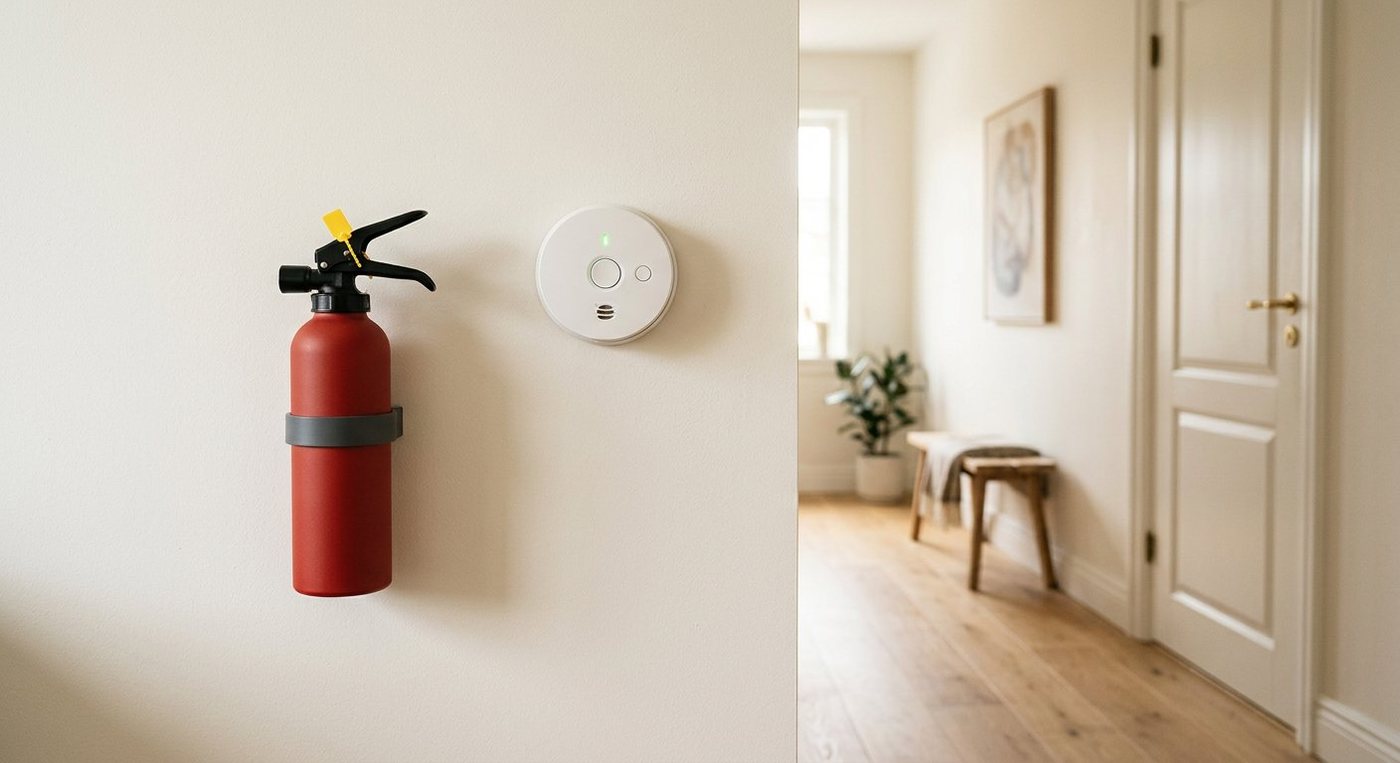
Home safety improves fastest when it is planned as one system rather than assembled from scattered purchases. Walk through your home with the checklist below — room by room, layer by layer — to see what is already covered and where the gaps are.
Protection works best as concentric layers. Outside: lighting, visible cameras and clear sightlines. At the boundary: door and window sensors, solid locks and reinforced strike plates. Inside: motion detection, smoke and carbon monoxide alarms. And finally, in the household itself: an agreed plan everyone understands and can follow under pressure.
A single expensive device rarely delivers what layered, well-placed basics do.
Most intrusions happen through a door. Check that every exterior door has a deadbolt with a full-length throw, that the strike plate is fixed into the frame with long screws rather than the soft jamb, and that hinge pins are protected. Sliding doors need a secondary lock or a cut-resistant bar in the track.
Add exterior lighting at each entry point, ideally on motion or dusk-to-dawn sensors, and trim shrubs that give someone a place to work unseen. A video doorbell at the main entrance and a camera covering the driveway and rear gate complete the picture.
Smoke alarms belong inside each bedroom, immediately outside sleeping areas and on every level of the home, including the basement. Carbon monoxide alarms should sit near sleeping areas and near any fuel-burning appliance or attached garage.
Interconnect the alarms where the system allows, so one sounding triggers the rest. Test them on a regular schedule, replace backup batteries at least yearly, and note that alarm sensors themselves have a service life — replace ageing units rather than assuming they will still work.
Most home fires start in the kitchen. Keep a multi-purpose extinguisher within easy reach but away from the cooking surface itself, and learn the rule: never use water on a grease fire — cover the pan and cut the heat.
In the laundry area, clean the dryer lint filter after every load and check the full vent run periodically for lint build-up, which is a genuine fire risk. Do not run the dryer while you are asleep or out of the house.
Have the furnace, boiler and chimneys serviced annually, and keep combustible storage well clear. Watch for the quiet warnings of an electrical problem — warm outlets, discoloured faceplates, fuses that trip repeatedly, or lights that flicker when appliances start. Those are not quirks; they are signals to call an electrician.
In the garage, store flammable liquids in approved containers away from heat sources, and do not leave a running vehicle or generator in an attached garage.
Use light strategically rather than flooding the yard: layered lighting at entries and along paths deters intruders while making the home feel welcoming. Position cameras so they cover approaches and exits, and respect neighbours' privacy by aiming them at your own property.
If you automate, start with the basics — door sensors, motion alerts and a siren — and make sure everyone in the household, including children and guests, knows how to arm and disarm the system.
A fire escape plan only works if it has been walked through. Identify two ways out of each bedroom where possible, agree a meeting point outside, and remind everyone never to re-enter a burning building for possessions. Keep escape routes clear of furniture and stored items, and make sure upper-floor windows open easily.
For households with children, older adults or anyone with limited mobility, assign a specific person to help and confirm who is responsible in advance.
Safety systems drift. A renovation, a new appliance, a new driver in the household or a change in who is home during the day all shift your risk profile. Revisit alarms, extinguishers, locks, lighting and the escape plan after any significant change — and consider a professional walkthrough if it has been a while since anyone checked.
Small, consistent maintenance beats one heroic upgrade every few years. A short seasonal routine keeps every layer working when it counts.
Planning this upgrade yourself? We are happy to help you think it through. Book a free consultation and a Outdoor Living Hubs advisor will review your space, priorities and budget with you — no pressure, no obligation.
Keep Reading
 Outdoor Living
A compact yard can live far larger than its footprint. These are the planning moves we use to turn a tight patio into a genuine outdoor room.
 Roofing & Solar
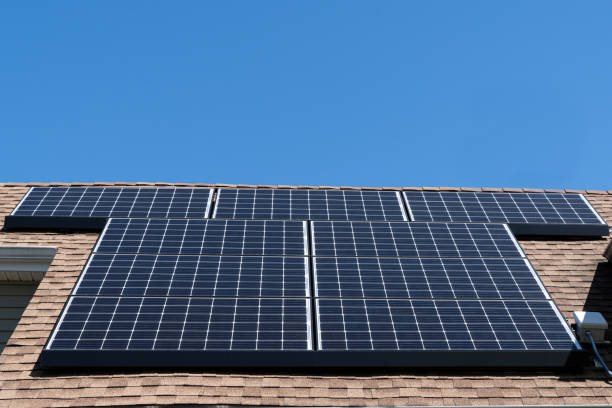
Solar is only as good as the roof beneath it. Here is the sequence that protects your warranty, your budget and your installation timeline.